October 16, 2026
Measuring the dimensions of your outdoor space determines the appropriate footprint for temporary structures and seating arrangements. Factoring in guest count, existing trees, and permanent buildings prevents overcrowded layouts and ensures easy mobility for attendees. Creating a detailed floor plan early helps establish designated zones for dining, dancing, and vendor setups. Proper spatial planning ensures that all essential event rental equipment fits comfortably within your venue boundaries.
Adapting to Natural Terrain
Evaluating ground surfaces like grass, sand, or gravel is essential for maintaining structural stability across your layout. Sand and loose gravel require specialized anchoring systems for temporary structures, while soft turf impacts the placement of dining furniture and staging. Understanding these ground conditions in advance allows technicians to level staging and secure footings properly. Selecting terrain-appropriate gear guarantees guest safety and maintains functional stability throughout the event.
Anticipating Weather Shifts
Analyzing regional climate patterns and historical weather data helps determine necessary shelter and climate control needs. Renting enclosed temporary structures, outdoor heaters, or industrial fans mitigates sudden temperature shifts and unexpected rainfall. According to IBISWorld, robust growth in the national marriage rate accelerates revenue growth, with more events like weddings creating a heightened demand for rental equipment that can accommodate various weather conditions. Preparing contingency climate plans ensures your event proceeds smoothly regardless of sudden weather changes.
Estimating Guest Attendance
Calculating an accurate guest count dictates the exact quantity of seating, dining tables, and service items required. Requesting early RSVPs allows event planners to order adequate inventory while avoiding spatial overcrowding. Overestimating attendance slightly accommodates unexpected last-minute arrivals and sudden seating adjustments. A precise headcount ensures that every guest enjoys a comfortable, properly furnished space.
Aligning Equipment with Activities
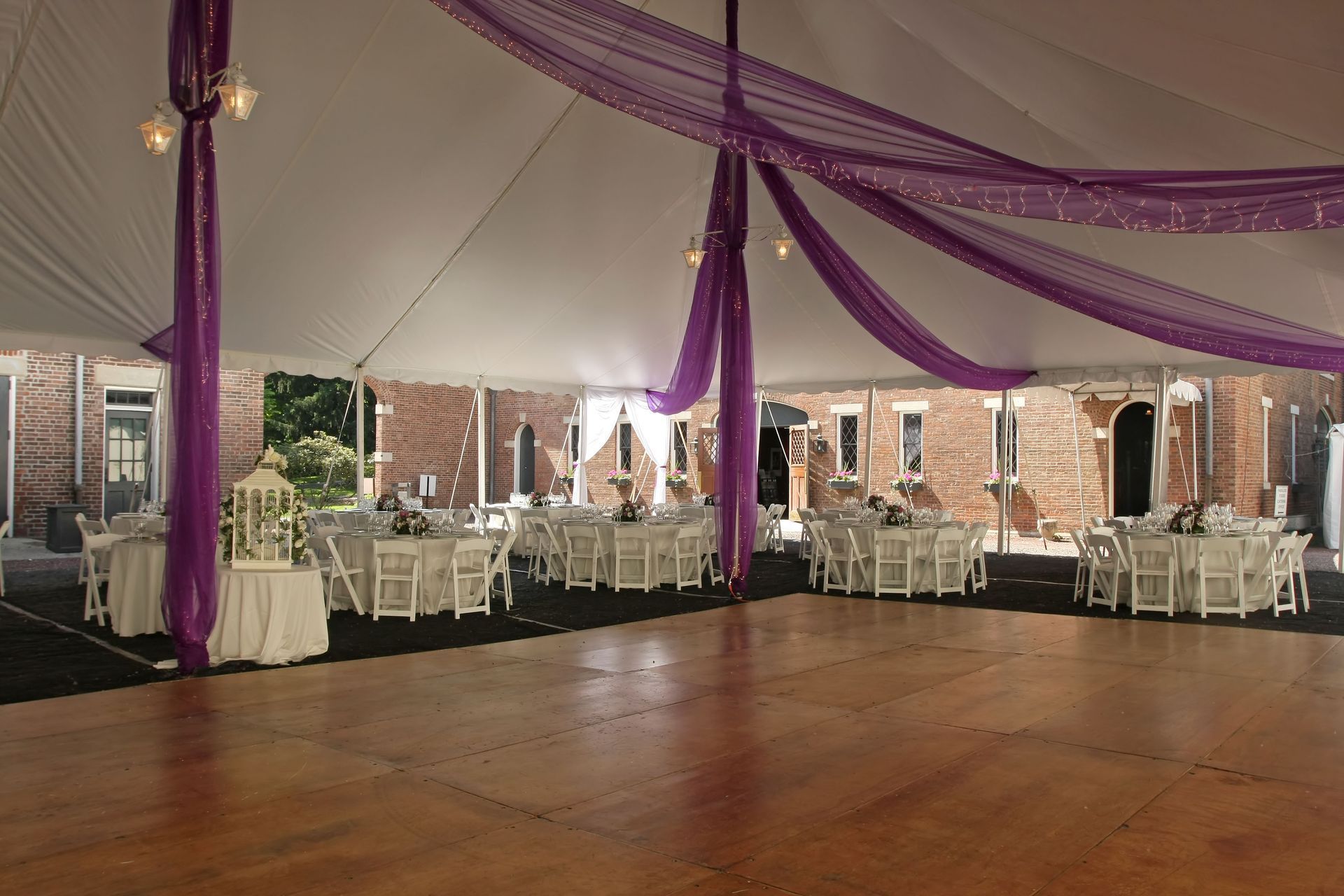
Identifying planned activities helps determine specific technical and functional requirements for your layout. Corporate presentations prioritize audio-visual gear and podiums, whereas formal receptions demand decorative archways, staging, and dance floors. Listing every scheduled activity ensures all necessary staging and technical gear are sourced ahead of time. Matching functional inventory to event itineraries supports smooth operational transitions throughout the day.
Complementing Event Themes
Selecting cohesive furniture styles, lighting options, and color palettes reinforces the overall aesthetic vision of your gathering. Rustic outdoor gatherings benefit from timber tables and warm string lighting, while modern galas require sleek furniture and sharp architectural accents. Maintaining visual consistency across all rentals elevates the atmosphere and creates an immersive environment for guests. Thoughtfully curated themes leave a lasting visual impression on every attendee.
Establishing Financial Boundaries
Creating a comprehensive budget breakdown prevents overspending while ensuring all operational categories are covered adequately. Allocating funds across seating, decorative elements, and sound systems maintains financial discipline throughout the planning process. Tracking quotes against your master budget helps prioritize essential gear over non-essential add-ons. Disciplined financial management yields a high-quality event experience while staying within defined parameters.
Comparing Renting Versus Purchasing
Renting high-grade commercial inventory is generally the most cost-effective choice for one-off celebrations and seasonal gatherings. Securing temporary inventory eliminates long-term storage fees, maintenance obligations, and capital depreciation costs. Frequently hosted corporate functions, however, may justify purchasing select foundational items over time. Weighing frequency of use against upfront rental fees optimizes capital allocation for event organizers.
Balancing Cost and Quality
Choosing the cheapest available inventory often compromises functional reliability and structural appearance during an event. Evaluating customer reviews, equipment maintenance standards, and supplier warranties helps gauge true product value. Investing in well-maintained, durable event rental equipment prevents mechanical failures and unsightly surface wear during key moments. Balancing price with product condition ensures reliable performance and a polished presentation.
Selecting Tents and Canopies
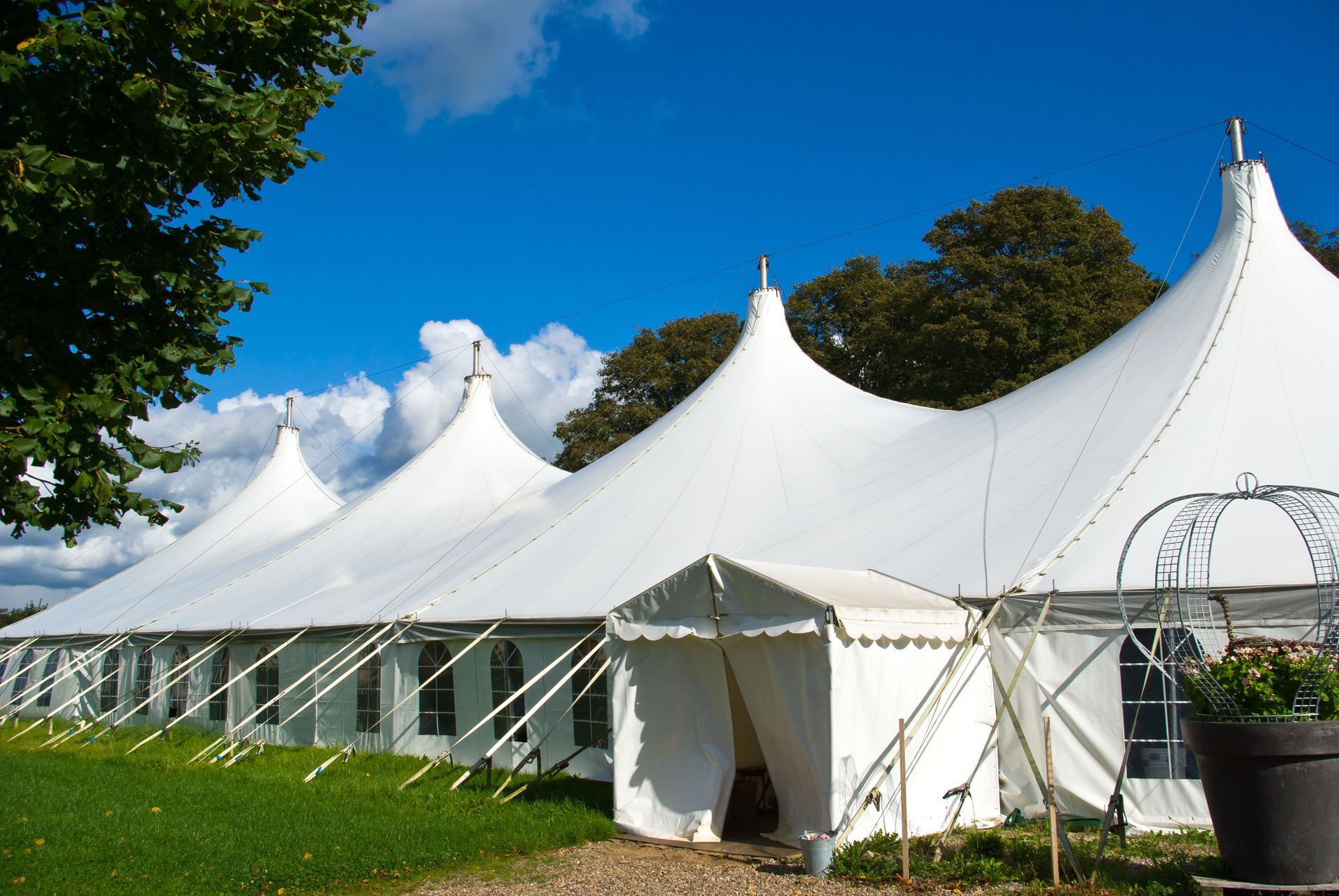
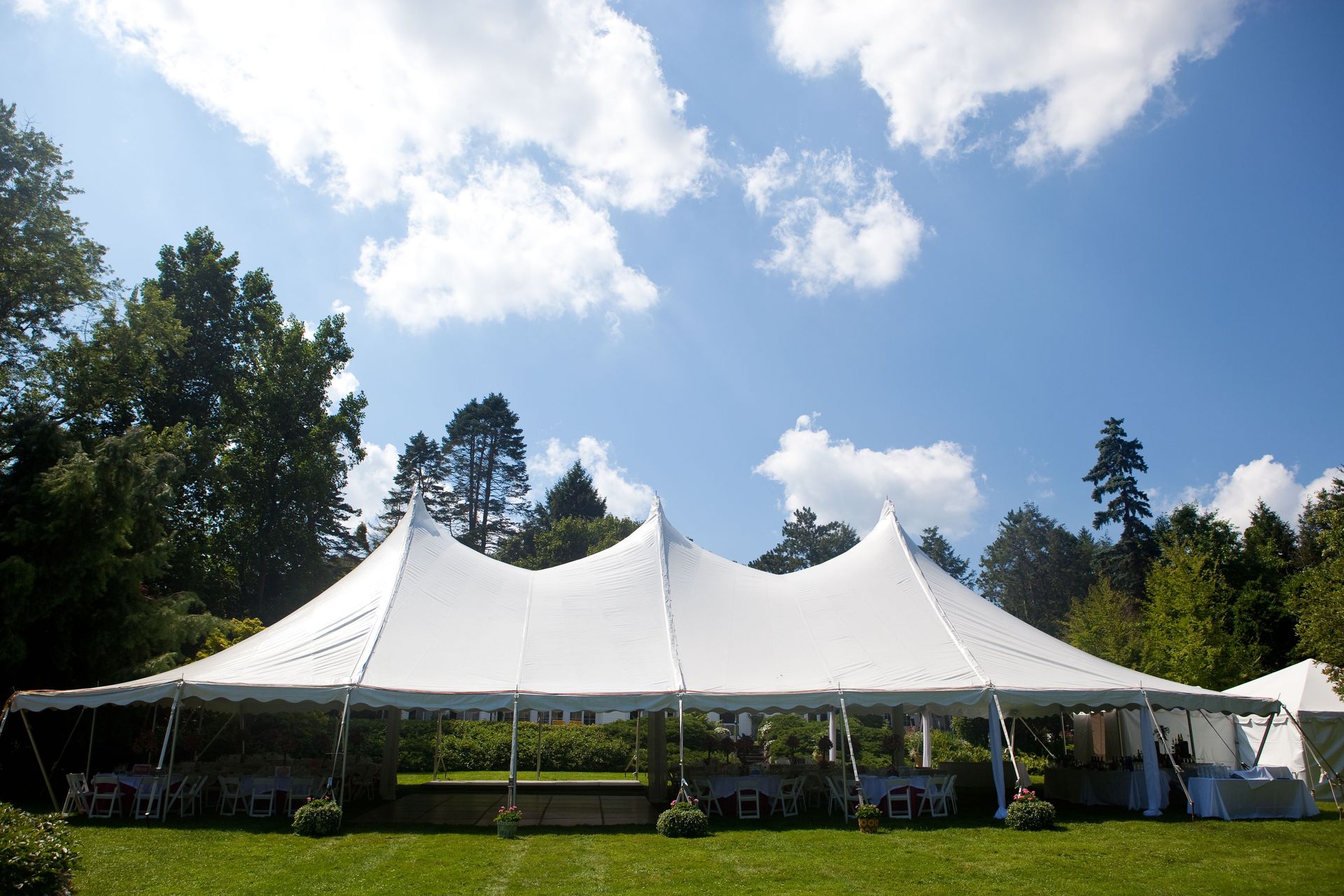
Selecting proper temporary shelters provides essential weather protection while defining the visual footprint of outdoor spaces. Clear-span structures offer unobstructed views and modern appeal, whereas traditional pole tents deliver a classic aesthetic. Customizing shelters with sidewalls, window panels, and flooring creates a versatile, climate-controlled environment. Thoughtful shelter selection keeps guests comfortable while enhancing the overall visual design.
Arranging Tables and Seating
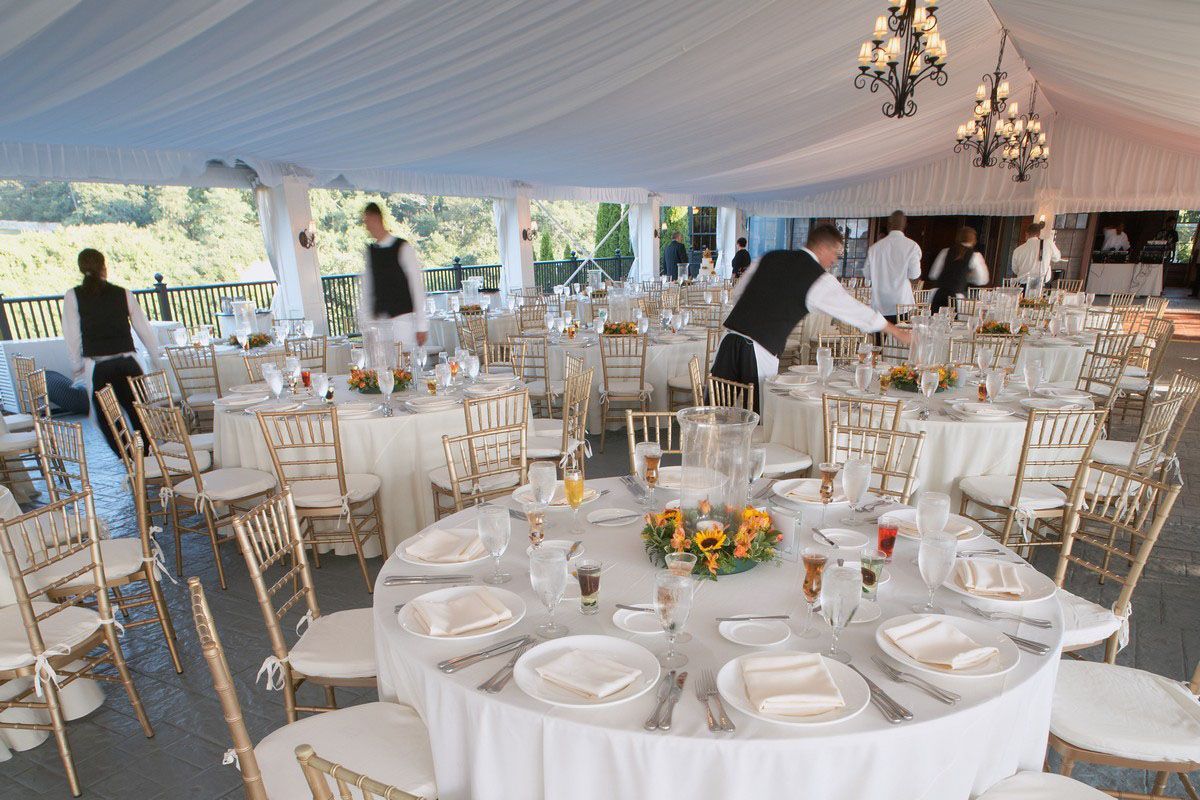
Choosing functional table shapes and comfortable seating encourages guest interaction while optimizing available floor space. Combining round dining tables with rectangular buffet stations maintains efficient traffic flow across the venue. Selecting ergonomic chairs that complement your decor scheme significantly improves overall guest comfort during long receptions. Strategic seating layouts ensure seamless service and comfortable social movement throughout the event.
Planning Lighting and Power
Designing an effective lighting plan enhances evening visibility, highlights key decor features, and establishes a warm ambiance. Combining ambient string lights with focused spotlights ensures both functional safety and aesthetic warmth across the venue. Renting portable generators guarantees continuous power delivery for sound systems, catering setups, and lighting rigs. Comprehensive electrical planning prevents circuit overloads and keeps all technical systems operating smoothly.
Researching Supplier Reputations
Vetting prospective rental companies through client testimonials and online reviews ensures reliable service delivery on event day. Established suppliers maintain high product standards, clean inventory, and punctual delivery logistics. Partnering with reputable industry professionals provides peace of mind and reduces operational stress during setup. Dedicated supplier research secures high-quality event rental equipment and professional on-site execution.
Requesting Detailed Proposals
Requesting itemized proposals from suppliers ensures complete transparency regarding inventory costs, delivery charges, and service fees. Comprehensive estimates allow planners to compare line items accurately across different service providers. Itemized contracts prevent unexpected fees and clarify inventory availability well before the event date. Clear written proposals establish strong working relationships between clients and equipment vendors.
Clarifying Service Terms
Reviewing delivery, installation, and breakdown terms prevents unexpected labor charges and scheduling conflicts on site. Confirming whether setup services are included in base rates helps event planners coordinate vendor arrival times effectively. Understanding logistics parameters ensures timely equipment removal following the conclusion of the event. Thorough contract review guarantees a worry-free experience for event hosts and venue managers.
Sourcing Eco-Friendly Options
Selecting inventory constructed from sustainable materials like bamboo or recycled wood reduces the environmental footprint of large gatherings. Utilizing energy-efficient LED fixtures lowers power consumption while delivering superior illumination across the venue. Prioritizing eco-conscious choices demonstrates environmental responsibility and resonates positively with modern attendees. Incorporating sustainable gear differentiates your event while supporting broader environmental conservation efforts.
Minimizing Event Waste
Planning equipment orders accurately prevents over-renting excess items that require unnecessary transport and handling. Replacing single-use plastics with reusable china, glassware, and flatware cuts venue waste dramatically. Streamlining inventory orders lowers transport emissions, reduces cleanup costs, and presents a sophisticated dining experience. Efficient logistics planning creates a polished event atmosphere while upholding sustainable operational practices.
Harnessing Green Energy
Utilizing solar-powered generators or venues with renewable energy grid connections reduces fossil fuel reliance during outdoor events. Green power alternatives supply clean electricity to sound systems, lighting rigs, and catering stations quietly and efficiently. Partnering with environmentally conscious vendors reinforces corporate sustainability goals and reduces total carbon emissions. Embracing green energy solutions delivers reliable power while protecting the surrounding natural environment.
Thorough planning, accurate inventory selection, and professional vendor collaboration ensure a seamless outdoor event experience for every guest. Managing venue constraints, weather contingencies, and equipment logistics creates a comfortable, well-organized environment. Investing time into structured event preparation pays off on event day through smooth operations and elevated attendee satisfaction. To secure premium outdoor structures and specialized event rental equipment for your next occasion, contact Jaguar Tents & Events.